
THE HISTORY OF
THE COCKTAIL
FROM THE GOLDEN AGE TO THE PROHIBITION ERA
LEARN ABOUT THE COCKTAIL’S GOLDEN ORIGIN STORY
Cocktails have always been more than just drinks. They mark moments — of rebellion, reinvention, and raising a glass together. From the clandestine glamour of 1920s speakeasies to today’s bold Highballs, their evolution tells a story of changing tastes and cultural shifts, without ever losing the flair.
As Chivas Regal knows well, the best cocktails don’t just follow tradition — they elevate it. In this guide, we’re tracing the history of the cocktail from its earliest definitions to its golden eras, while spotlighting the spirits, styles, and social scenes that shaped how we drink today. Whether you’re shaking something classic or mixing whisky with friends on match day, every cocktail has its roots — and its moment.
The early days of
the cocktail
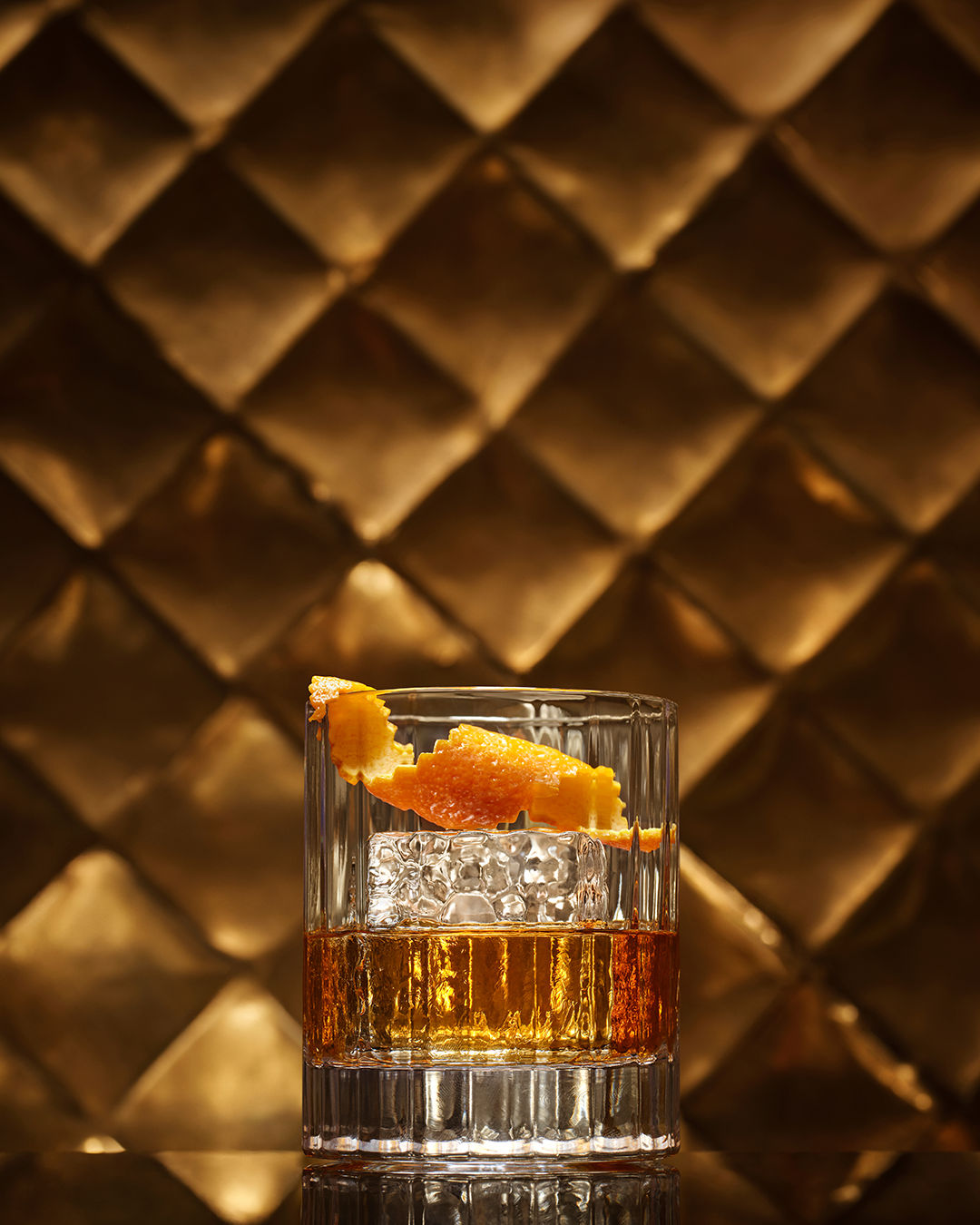
The word “cocktail” first appeared in print in 1806, in a New York newspaper. It was described as a mix of spirits, sugar, water, and bitters — what we’d now recognise as an Old Fashioned. But even before the word caught on, the idea of mixing drinks had been around in taverns and homes for centuries.
In the 19th century, cocktails evolved from quick fixes into something closer to craft. Bartenders began experimenting with different ingredients and techniques, building early classics like the Manhattan and Sazerac — drinks that still hold their own today. As the trend spread from the US to Europe, cocktails began making appearances in hotels, members’ clubs and bars, becoming part of a more refined social scene.
Prohibition
and the rise of speakeasy culture
In 1920s America, the ban on alcohol gave rise to one of the most iconic eras in cocktail history. Speakeasies — hidden, unlicensed bars — became the place to be. Cocktails were mixed to mask the harsh taste of bootleg spirits, with bartenders using fruit juices, sweeteners and soda to make drinks more palatable. But it wasn’t just about taste. These secret bars had their own codes, rituals and social rules. They sparked a new sense of occasion around drinking: stylish, subversive, and alive with possibility.
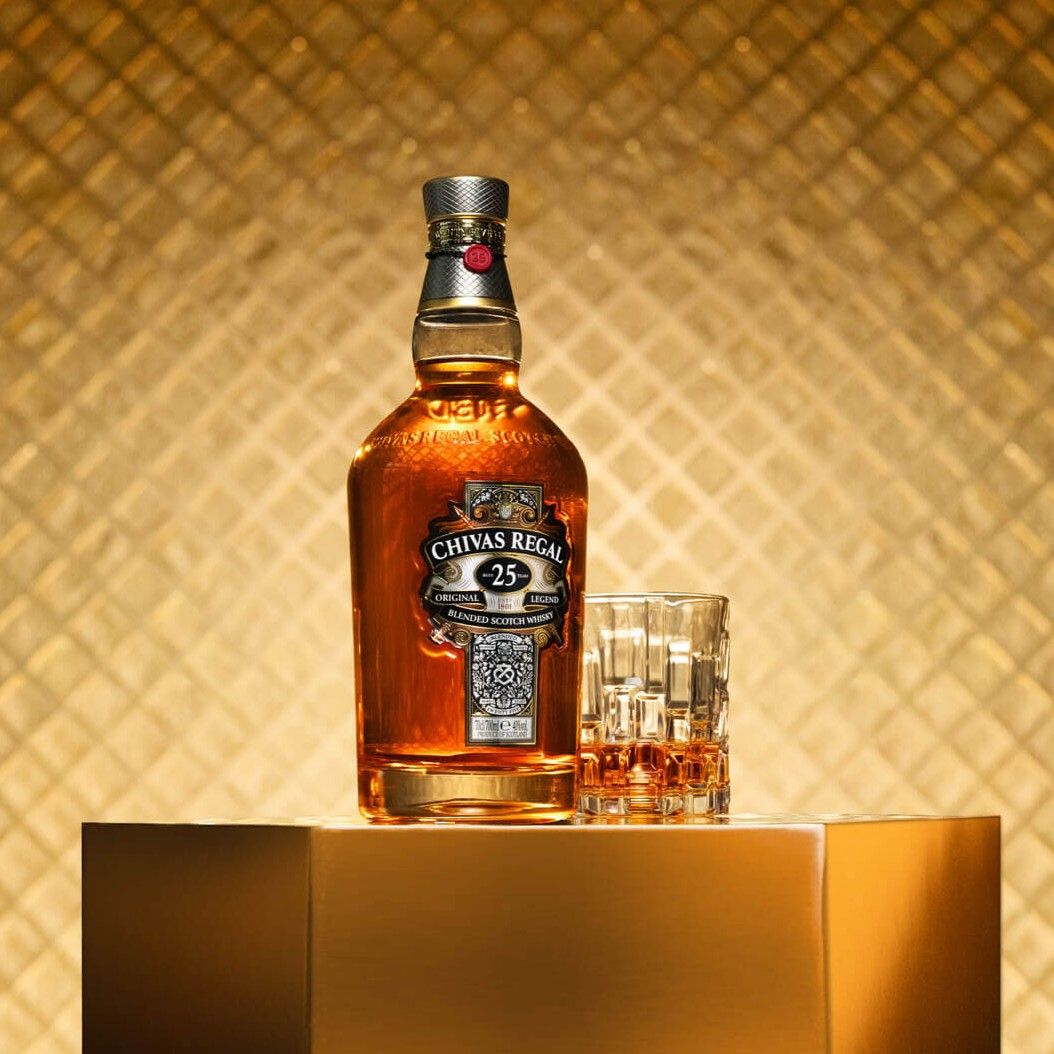
Before Prohibition, however, Chivas Regal had already made its mark on the world stage. At the dawn of the 20th century, Chivas Regal 25 Year Old took New York by storm — a pioneering blend that became the world’s first luxury Scotch whisky. It was poured at grand hotel bars and glittering parties, where a new class of cocktail culture was beginning to take shape. Each batch was built from scratch in the blending room, crafted with the same meticulous care that defines Chivas to this day.
This era didn’t just change how cocktails were made — it changed what they represented. And when Chivas Regal 25 Year Old was reignited in 2007, it paid tribute to that original spirit of innovation and indulgence that first set the standard for luxury whisky.
Post-war glamour and
the golden age of cocktails
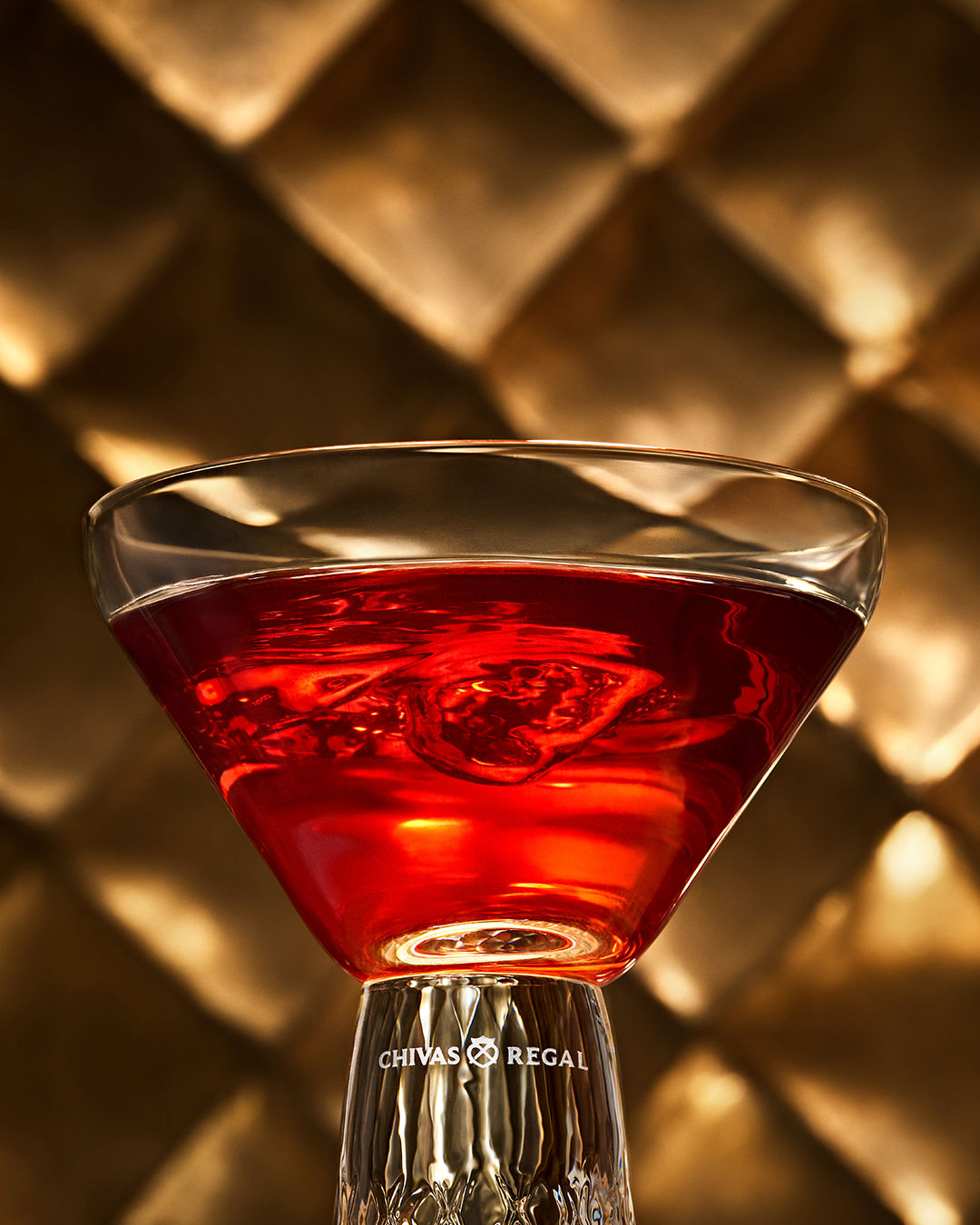
By the 1950s and 60s, the cocktail had become a symbol of modern living. With the rise of Hollywood and luxury advertising, drinks like the Martini and Tom Collins took centre stage. This was the golden age of cocktail culture, where presentation mattered as much as flavour, and the right serve — from the sparkle of the coupe to the weight of a cut-crystal tumbler — said something about who you were. Glassware became part of the ritual, reflecting the polish and precision of the era’s most elegant serves.
Whisky found its moment here too. Whether it was in a classic Highball or a Scotch Old Fashioned, whisky-based drinks were synonymous with sophistication — and have never gone out of style.
The cocktail revival
Fast-forward to the early 2000s, and a new generation of bartenders began digging into old recipe books and forgotten techniques. Speakeasy-inspired bars popped up in major cities, bringing a sense of ceremony back to cocktails — but this time with better spirits, more refined ingredients, and serious attention to craft.
This revival put whisky back in the spotlight. Bartenders started experimenting with different styles and origins — from blended Scotch to Japanese single malt — building drinks that balanced innovation with respect for tradition. The result? A scene that celebrated both the old and the new, from classic serves to clever twists.
The modern moment:
bold, creative, global
Cocktail culture today is more diverse, social and experimental than ever. You’ll find just as much flavour in home serves as you will behind the bar — whether you’re serving Highballs to friends during half-time, sipping citrusy martinis on a rooftop or mixing up tropical Coladas to beat the summer heat. Social media has driven a new wave of creativity, from clarified cocktails to global ingredients, while making it easier than ever for anyone to get involved. Wherever you’re pouring, good drinks bring people together.
At Chivas Regal, we believe in blending tradition with progress. That’s why our cocktails range from the tried-and-true — like the Chivas 75, our sparkling whisky drink — to fresh takes that match the moment, like the Regal Yuzu Martini. Because no matter how you mix it, the cocktail’s golden legacy is far from over.
Who invented the cocktail?
It’s a hotly debated topic, with credit claimed everywhere from London to Mexico. But many agree the title goes to Jerry Thomas—AKA ‘The Professor’—a New York bartender whose 1862 book The Bartender’s Guide put cocktail culture on the map.
What was the first ever cocktail?
Most roads lead to the Sazerac. Created in mid-1800s New Orleans, this bold mix of whisky, absinthe, bitters and sugar is widely considered the world’s first named cocktail—and it’s still going strong.
What are the different cocktail flavours?
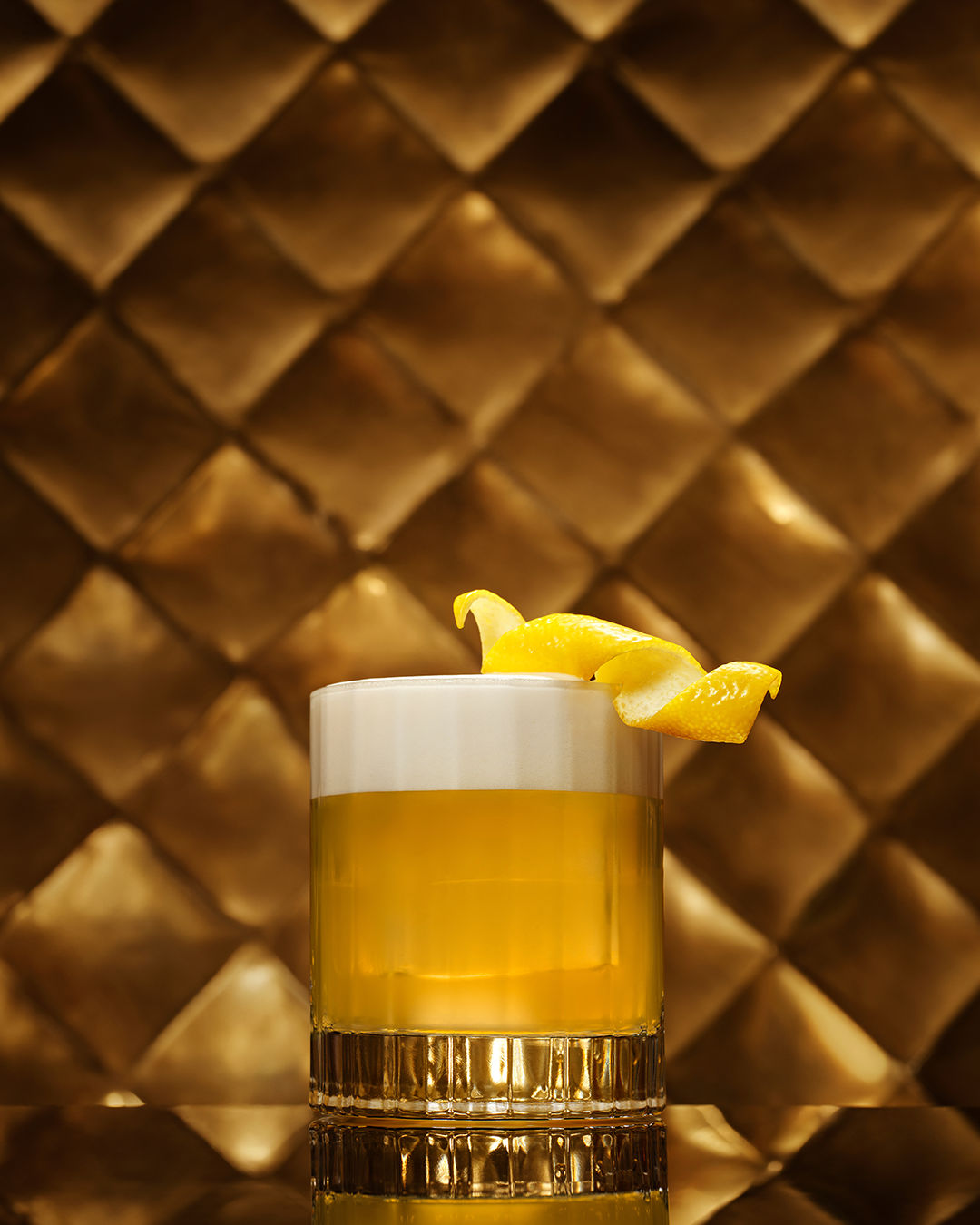
Sweet, bitter, sour and salty—every cocktail plays with at least one of these. The trick? Balance. Take a Whisky Sour: its harmony of sweet, sharp and bold makes it a timeless classic for a reason.
Why is it called a cocktail?
No one knows for sure—but the theories are strong. Some say it started with a New Orleans apothecary serving mixed drinks in a French eggcup (a coquetier), which morphed into ‘cocktail’. Others link it to horses with ‘cocked tails’ or drinks garnished with feathers. However it started, the name stuck—and now it’s everywhere.